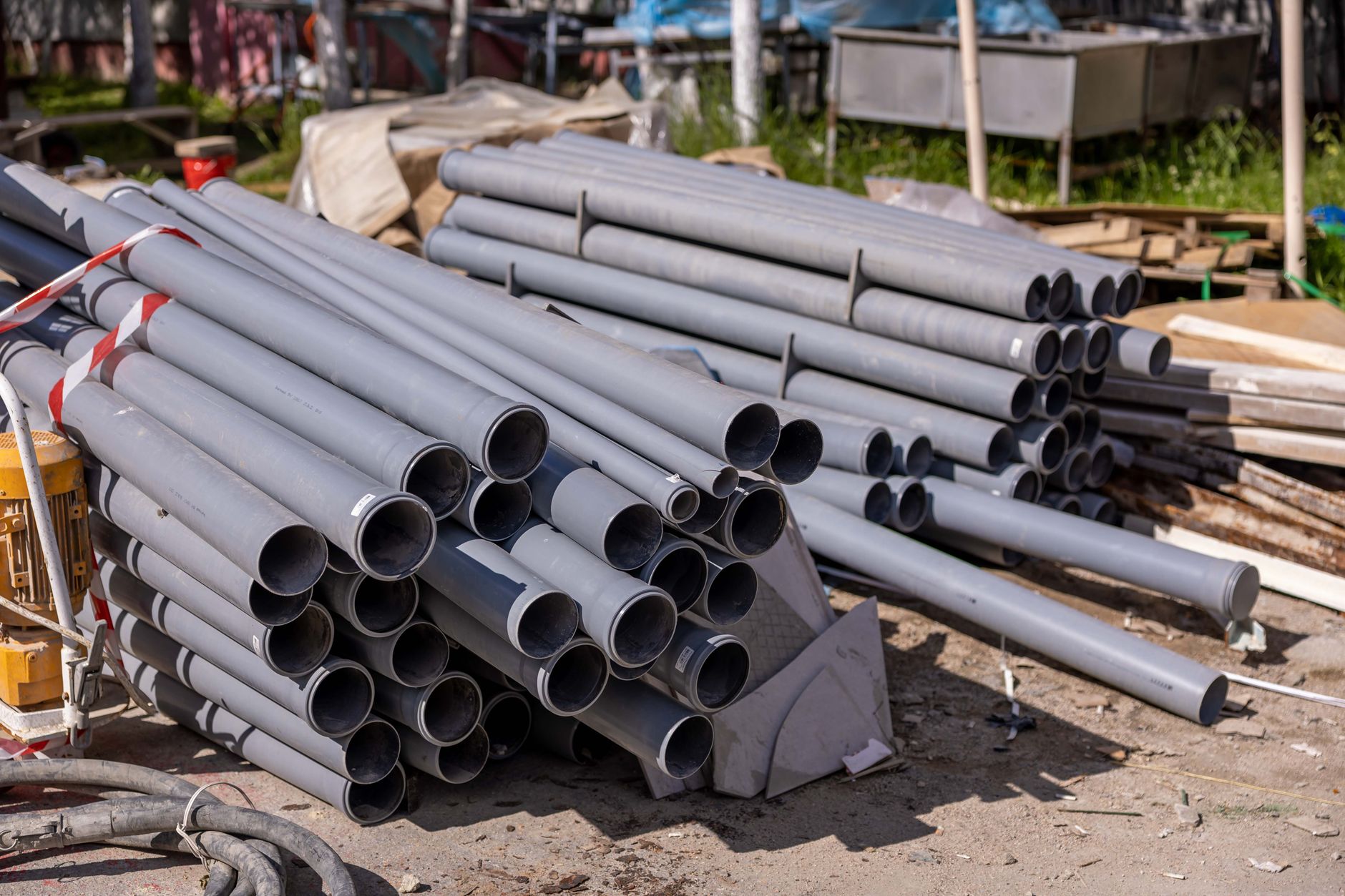
Active soil depressurization is the fix behind nearly every successful mitigation: a sealed pipe into the ground beneath the house and a fan that never stops, holding the soil at lower pressure than the rooms so radon exits above the roof instead of through the floor.
Reasons to schedule this service
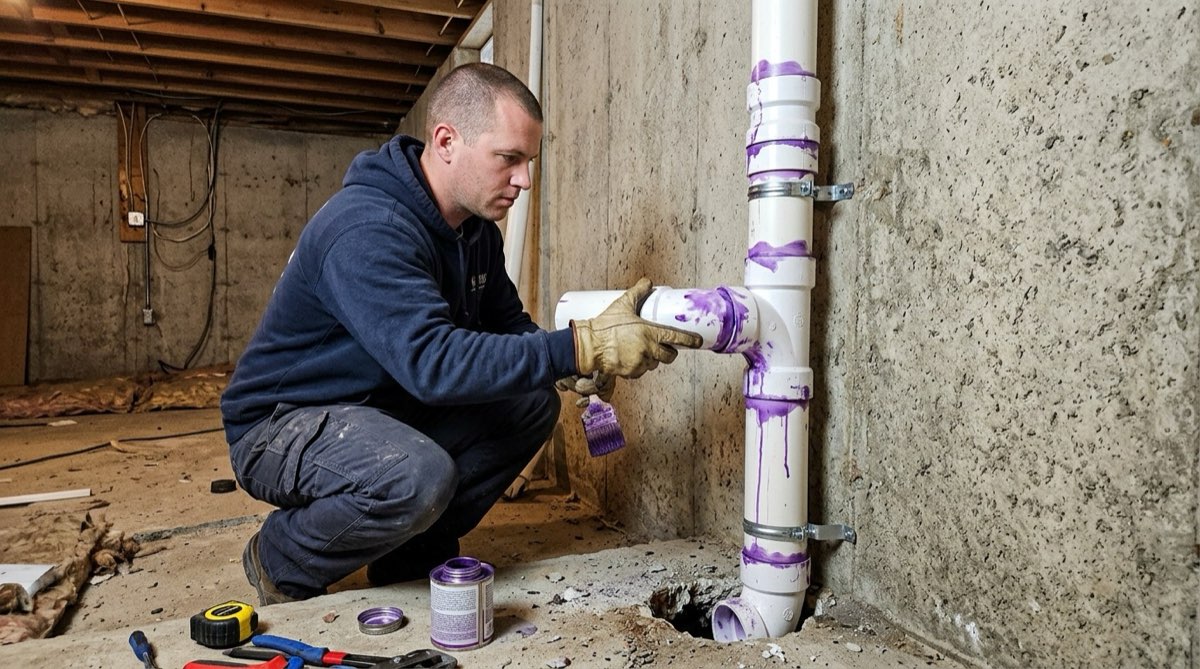
This service may be the right fit when one of these situations sounds familiar:
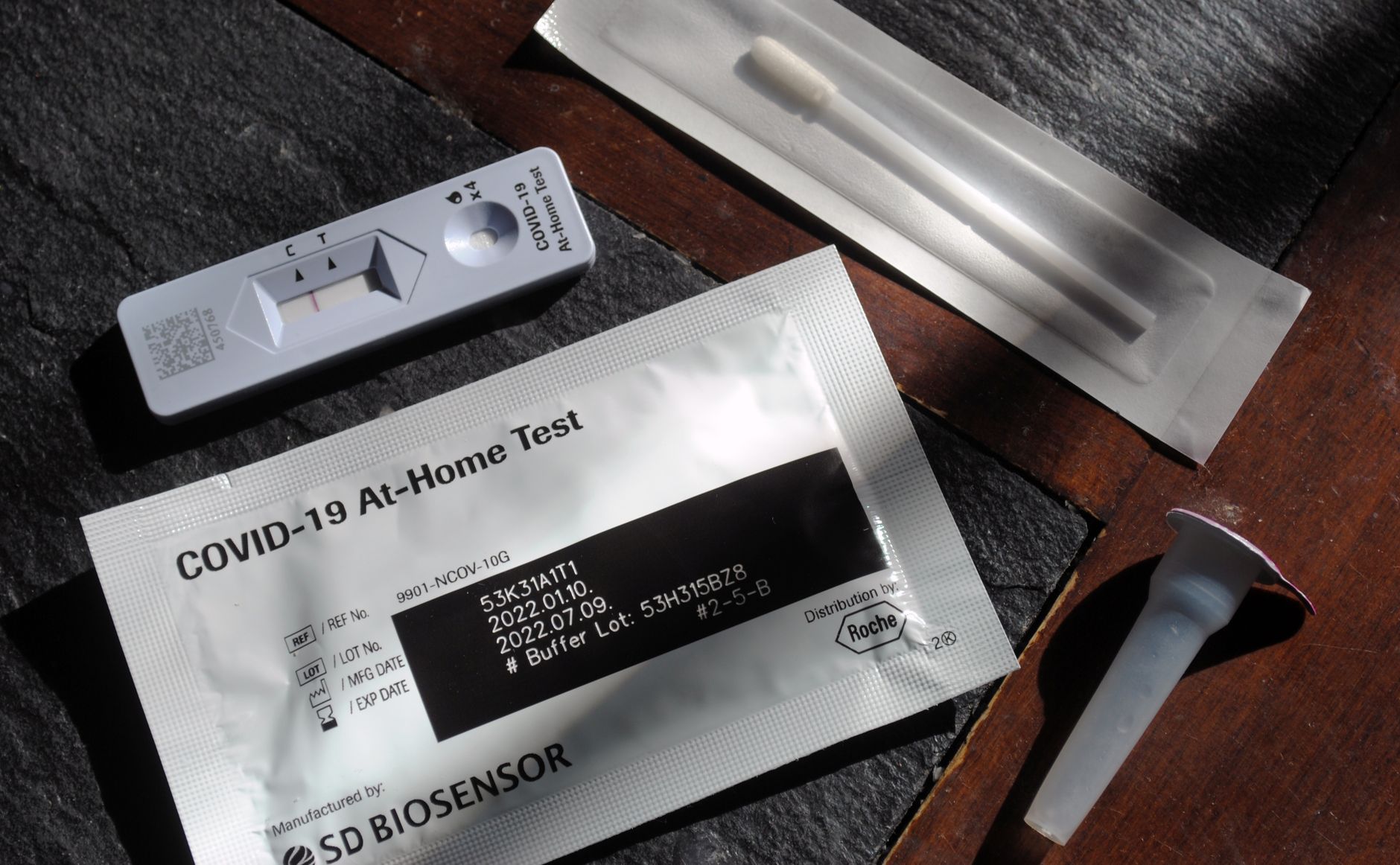
- test results are above the action level
- passive piping is not enough
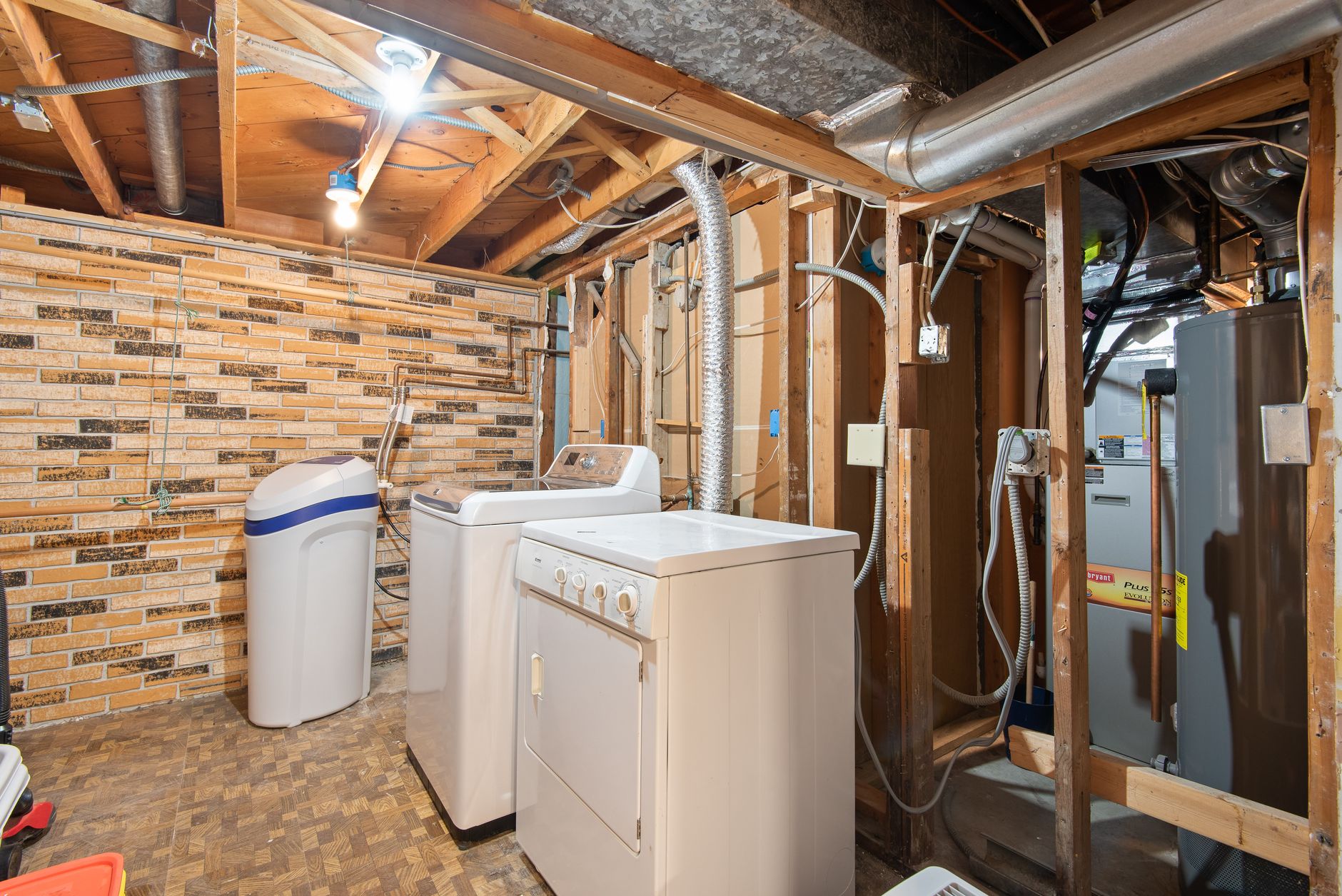
- a basement system needs design
What matters for Madison properties
Dane County installs succeed or stall on collection strategy. Madison basements almost always have drain tile feeding a sump, and a good installer weighs that loop against a slab suction pit before quoting — the tile often reaches the entire footprint from one sealed connection. Fill under the slab varies block to block here, and tight fill is what separates a one-point system from a two-point one.
What affects the estimate
- slab communication
- pipe routing
- fan location
- discharge point
- electrical needs
How the work usually goes
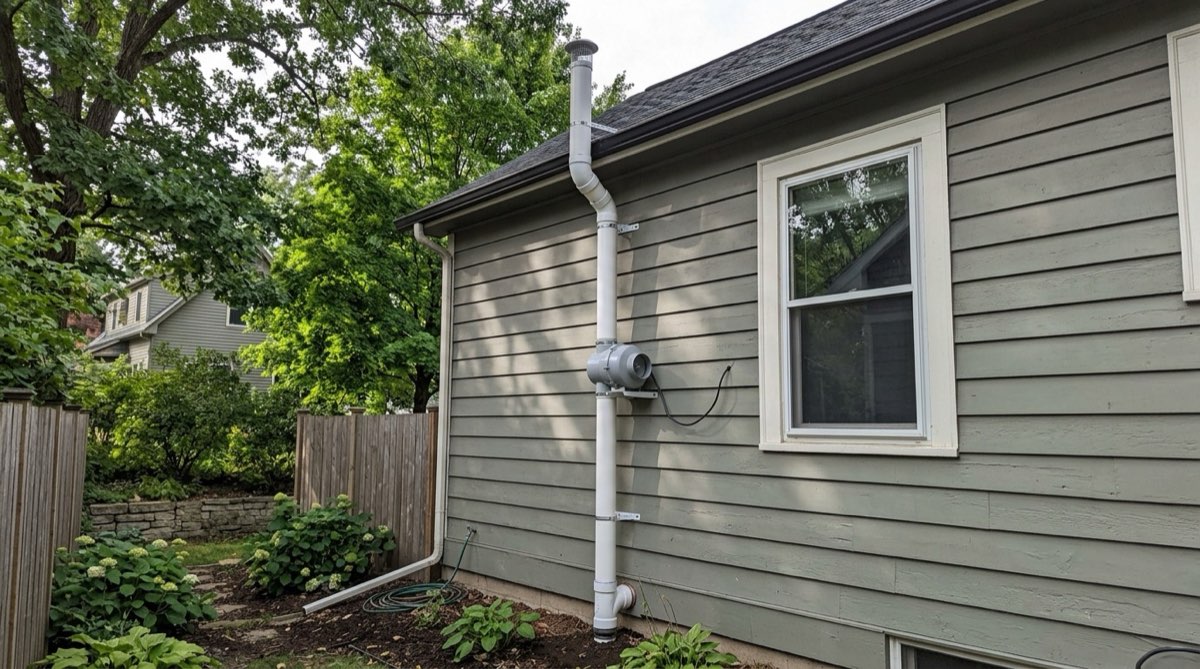
The installation sequence:
- Test Result Review: Review the radon test result, test date, foundation layout, basement use, and any real-estate deadline.
- Foundation And Sump Check: Check slab areas, sump pits, drain tile, crawl spaces, pipe routes, fan locations, and discharge options.
- System Design Planning: Plan the mitigation system, sealing details, electrical needs, fan placement, and retest timing.
- Pipe Fan And Sealing Work: Install or repair the pipe, fan, suction point, sump cover, crawl-space barrier, or sealing work.
- Retest And Maintenance Guidance: Review manometer readings, labels, maintenance notes, and when the home should be tested again.