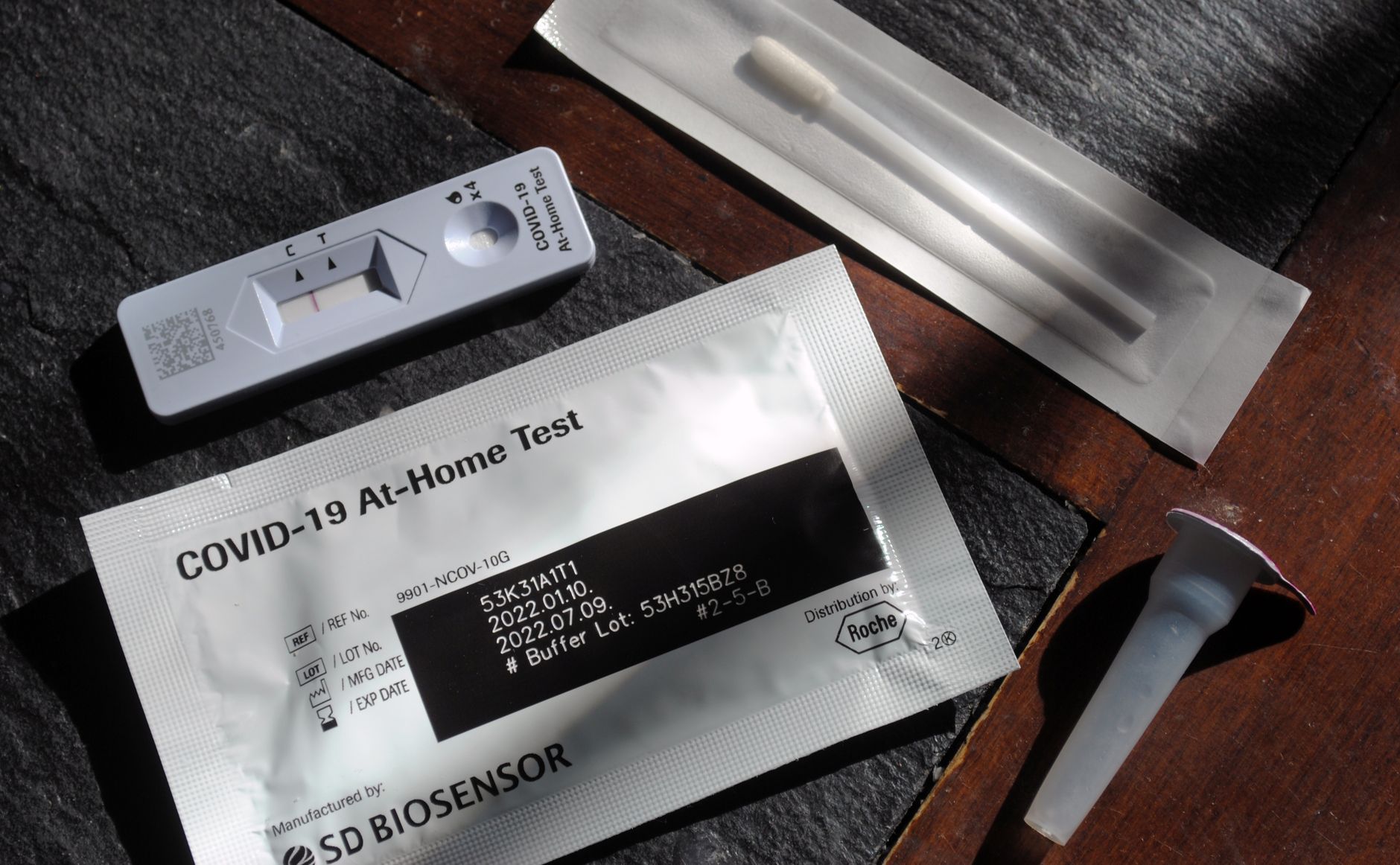
Testing is the least expensive step in the entire radon story and the one everything else waits on. A short-term kit or 48-hour continuous monitor in the lowest lived-in level, closed-house conditions, turns Dane County's Zone 1 designation into your house's actual number.
Reasons to schedule this service
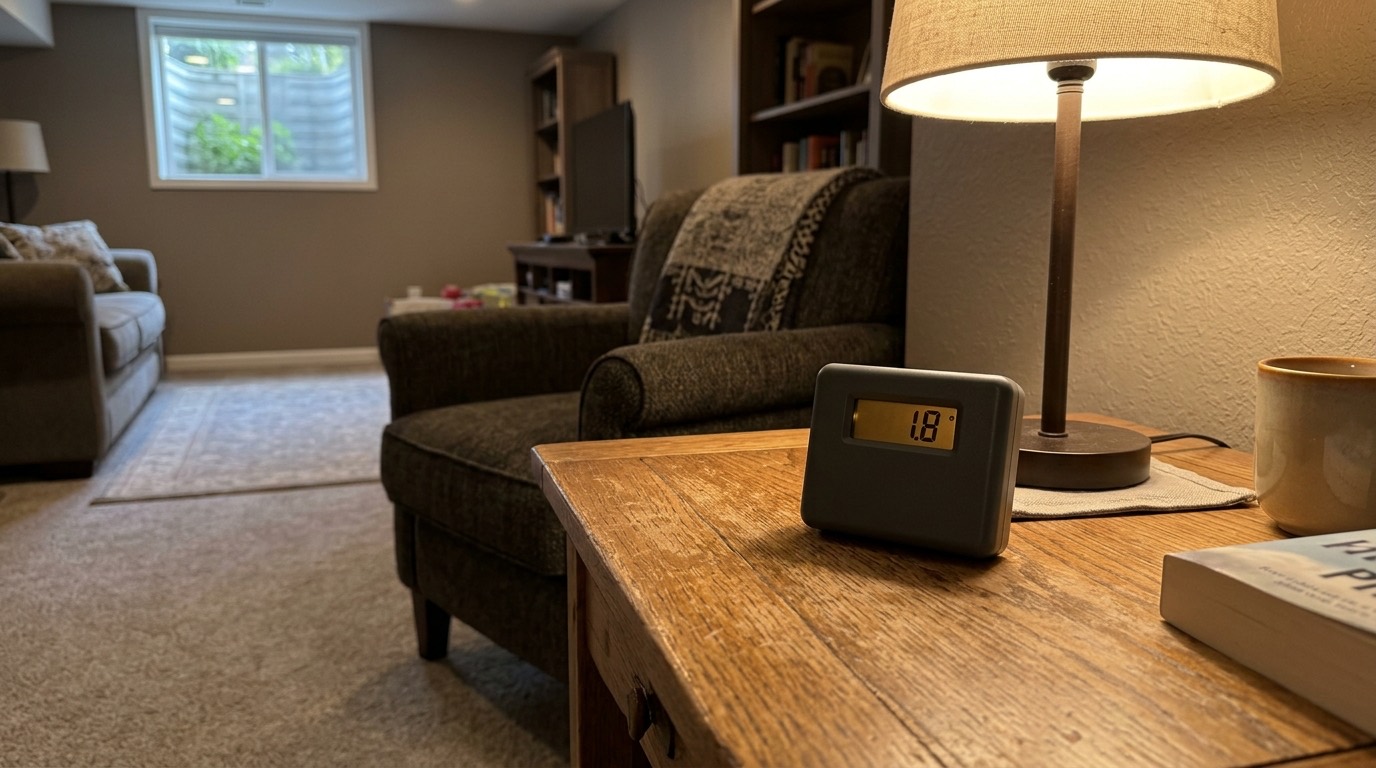
This service may be the right fit when one of these situations sounds familiar:
- a basement has not been tested
- a home sale needs a radon result
- a previous test came back high
What matters for Madison properties
Wisconsin's testing data says high results are routine here — roughly half of tests in many counties exceed the action level. Winter readings are the honest ones: sealed house, running furnace, maximum stack effect. If a January test comes back low in Madison, you can genuinely relax.
What affects the estimate
- test duration
- closed-house conditions
- foundation type
- weather
- follow-up timing
How the work usually goes
A professional test visit is short:
- Test Result Review: Review the radon test result, test date, foundation layout, basement use, and any real-estate deadline.
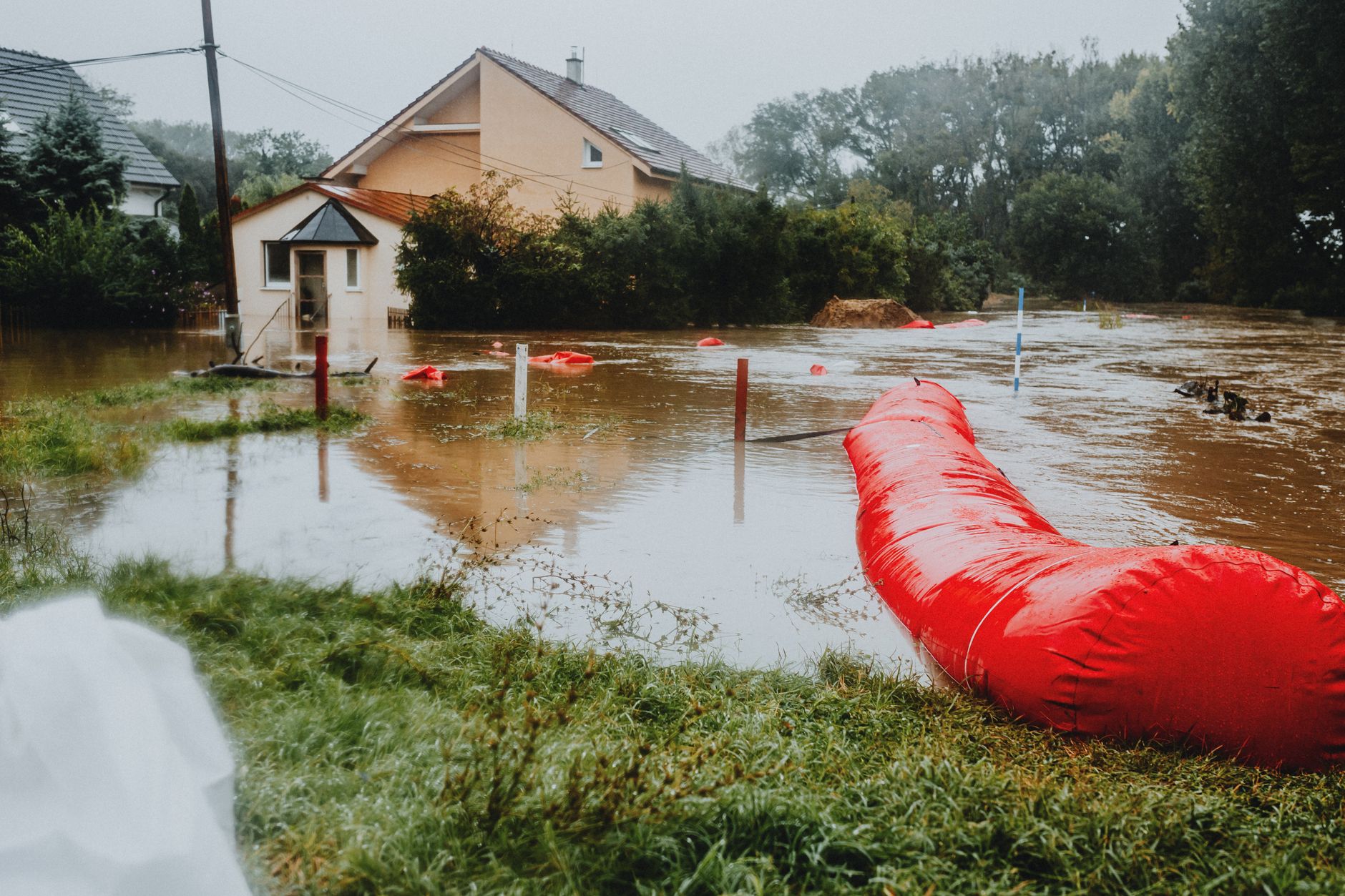
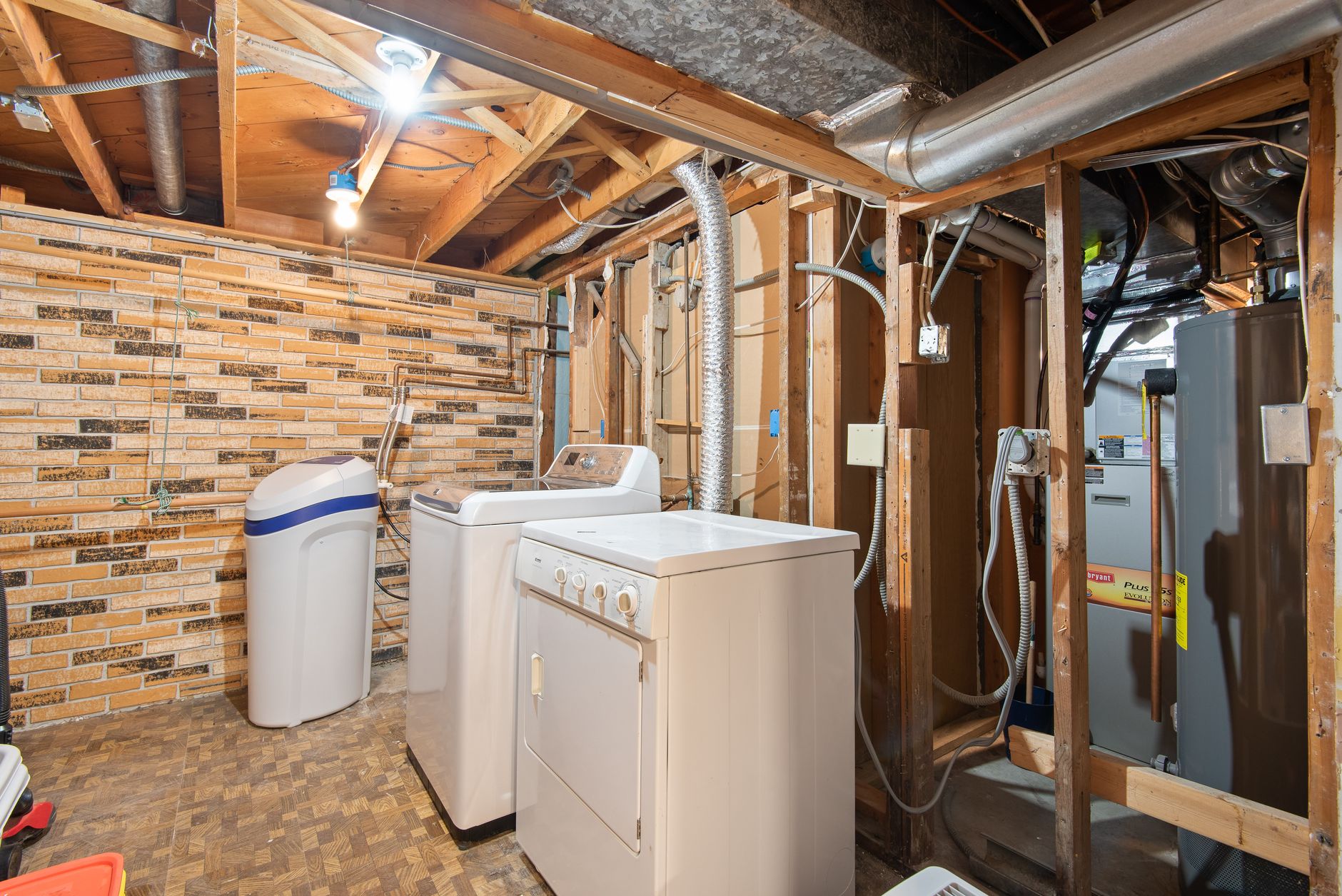
- Foundation And Sump Check: Check slab areas, sump pits, drain tile, crawl spaces, pipe routes, fan locations, and discharge options.
- System Design Planning: Plan the mitigation system, sealing details, electrical needs, fan placement, and retest timing.
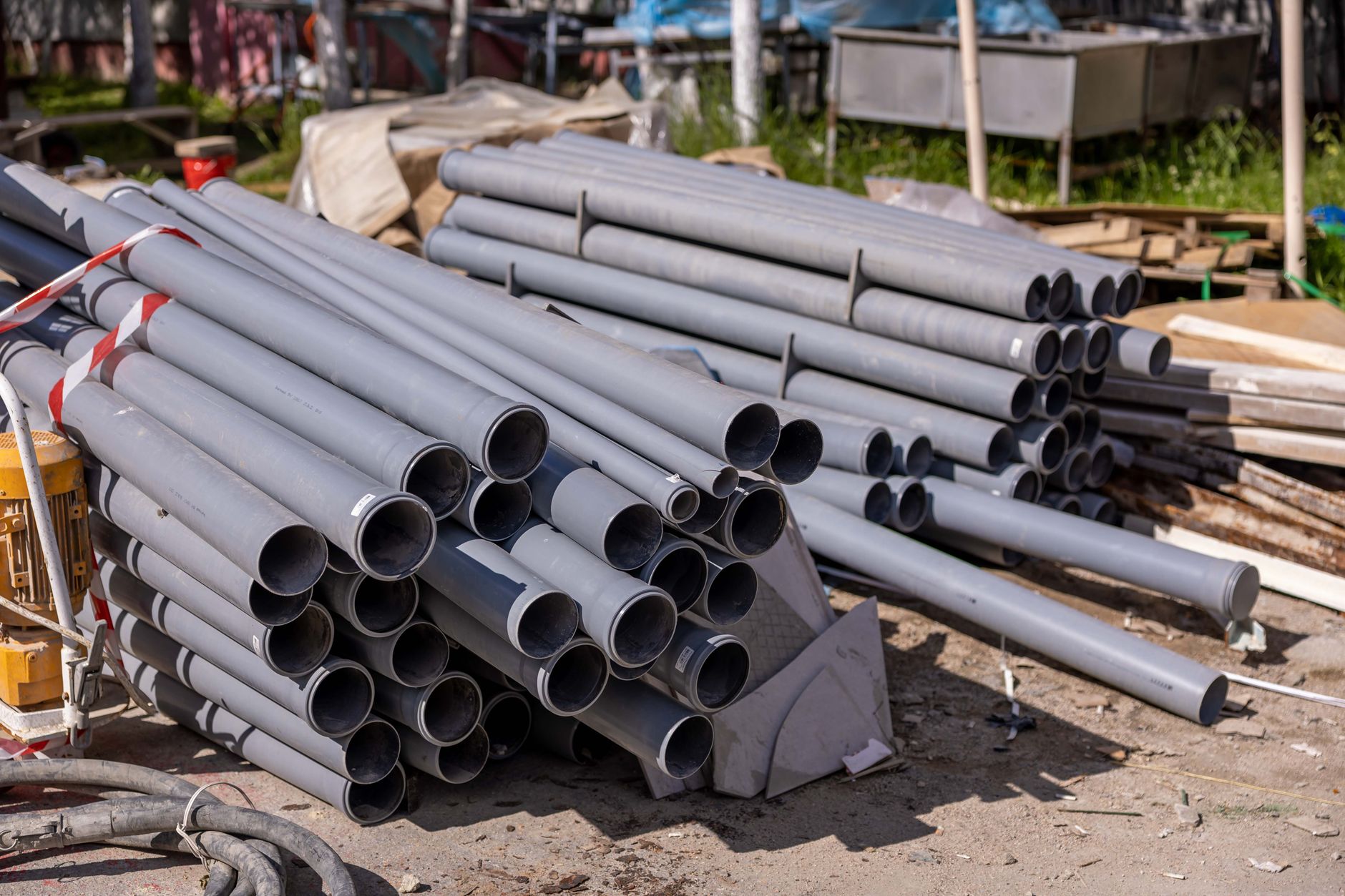
- Pipe Fan And Sealing Work: Install or repair the pipe, fan, suction point, sump cover, crawl-space barrier, or sealing work.
- Retest And Maintenance Guidance: Review manometer readings, labels, maintenance notes, and when the home should be tested again.