Dirt crawl spaces cannot be depressurized directly — there is nothing to seal against. The fix is sub-membrane suction: heavy sheeting sealed across the soil, seams taped, edges bonded to the walls, with the pipe drawing from underneath the plastic.
Reasons to schedule this service
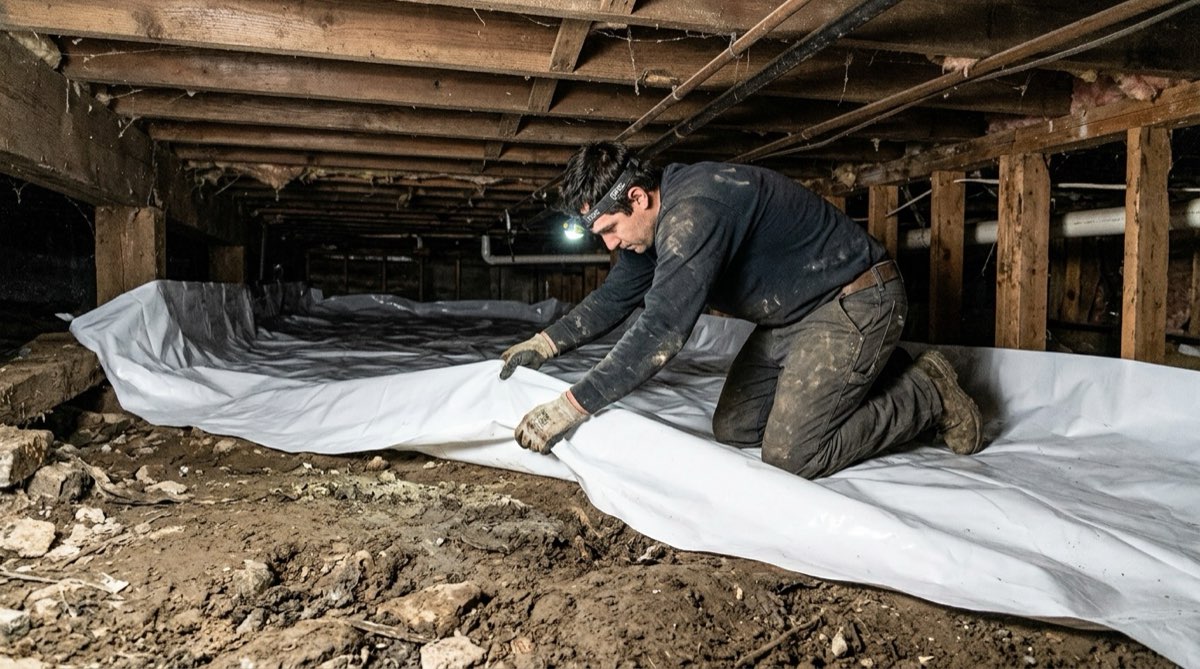
This service may be the right fit when one of these situations sounds familiar:
- part of the home sits over a crawl space
- testing shows elevated radon
- crawl-space air connects to living areas
What matters for Madison properties
Around Madison, crawl sections hide under additions, porches, and lake-adjacent cottages, usually joined to a full basement. Those hybrids get designed as one system — membrane zone and slab or sump zone tied to a single fan — and the routing decision belongs at the estimate, before anyone cores concrete.
What affects the estimate
- crawl height
- soil exposure
- vapor barrier
- moisture
- access
How the work usually goes
Membrane work proceeds:
- Test Result Review: Review the radon test result, test date, foundation layout, basement use, and any real-estate deadline.
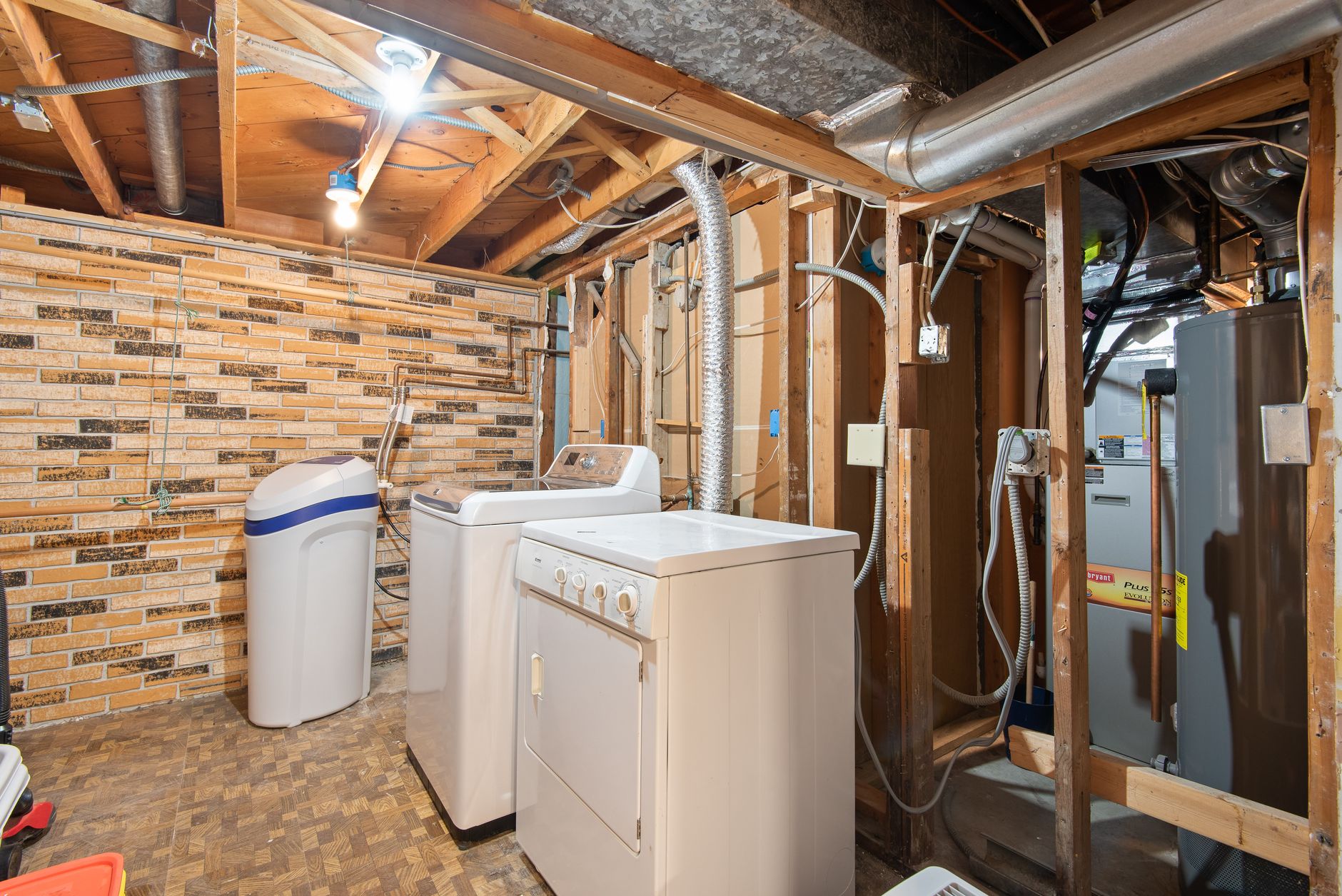
- Foundation And Sump Check: Check slab areas, sump pits, drain tile, crawl spaces, pipe routes, fan locations, and discharge options.
- System Design Planning: Plan the mitigation system, sealing details, electrical needs, fan placement, and retest timing.
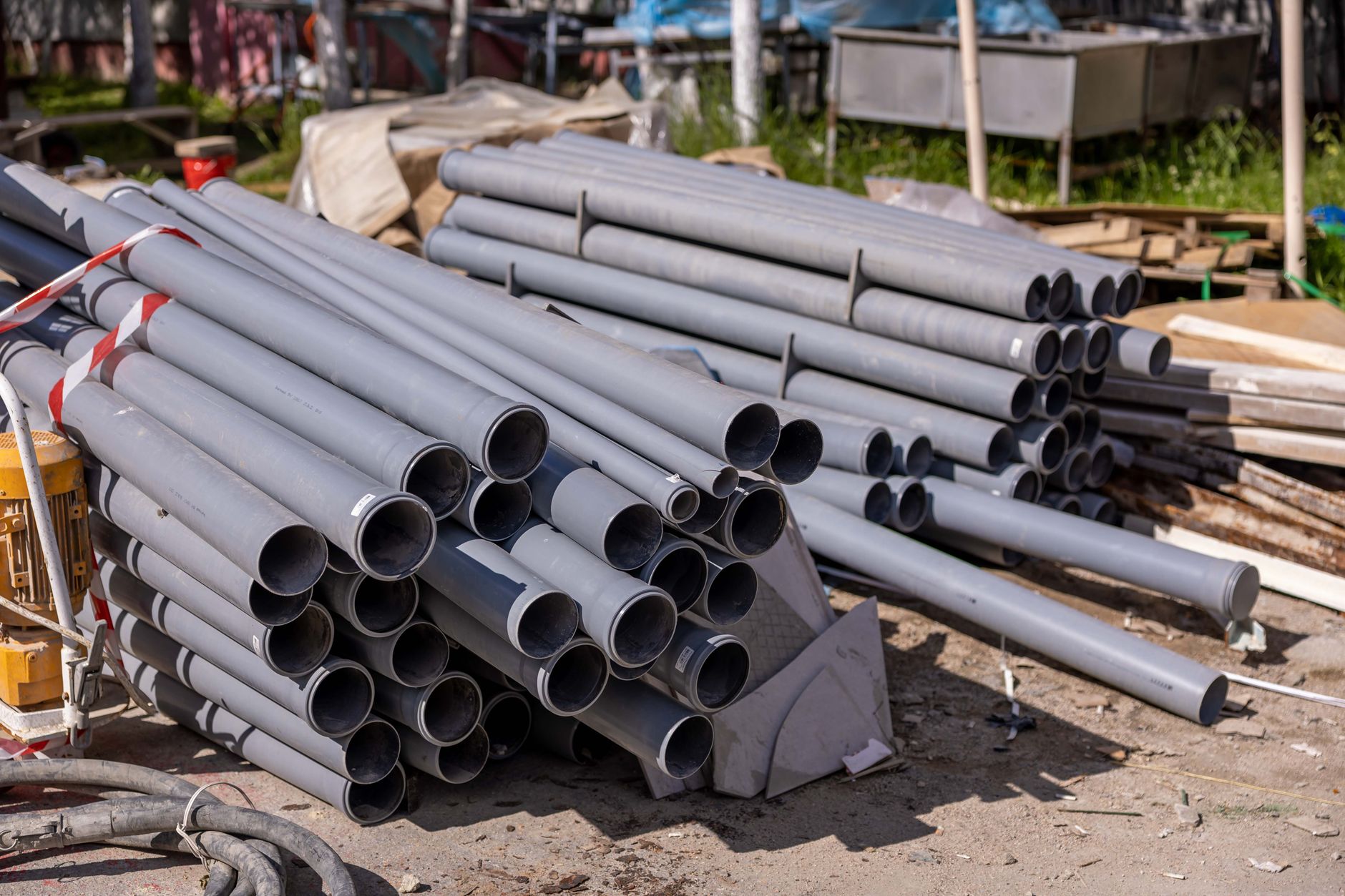
- Pipe Fan And Sealing Work: Install or repair the pipe, fan, suction point, sump cover, crawl-space barrier, or sealing work.
- Retest And Maintenance Guidance: Review manometer readings, labels, maintenance notes, and when the home should be tested again.