This inspection answers whether an existing system — often inherited with the house — is actually protecting anyone. Fan health, suction reading, sealing integrity, discharge placement, and labeling get checked against current standards, and a fresh test settles what the air reads now.
Reasons to schedule this service
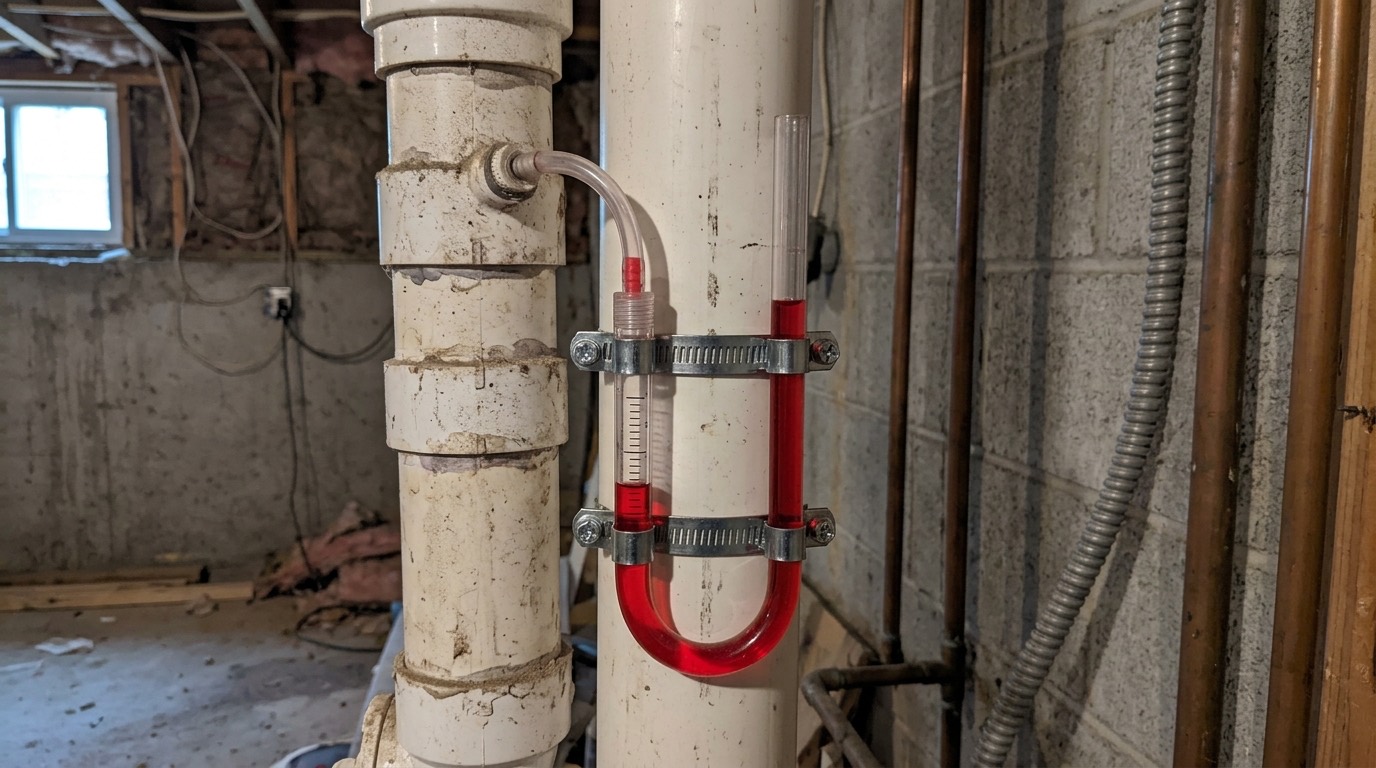
This service may be the right fit when one of these situations sounds familiar:
- a home already has radon piping
- the buyer wants system status
- test results changed after installation
What matters for Madison properties
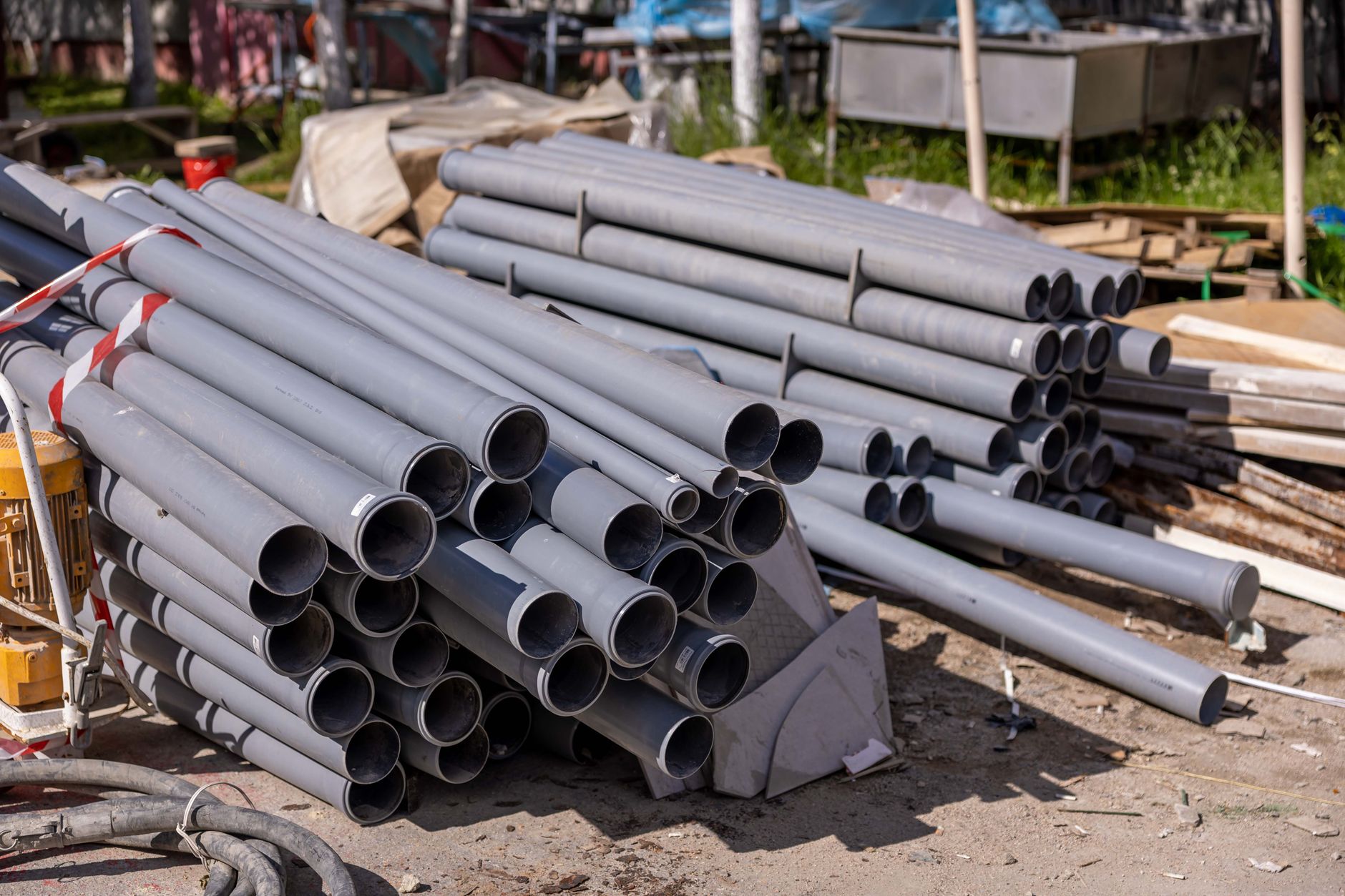
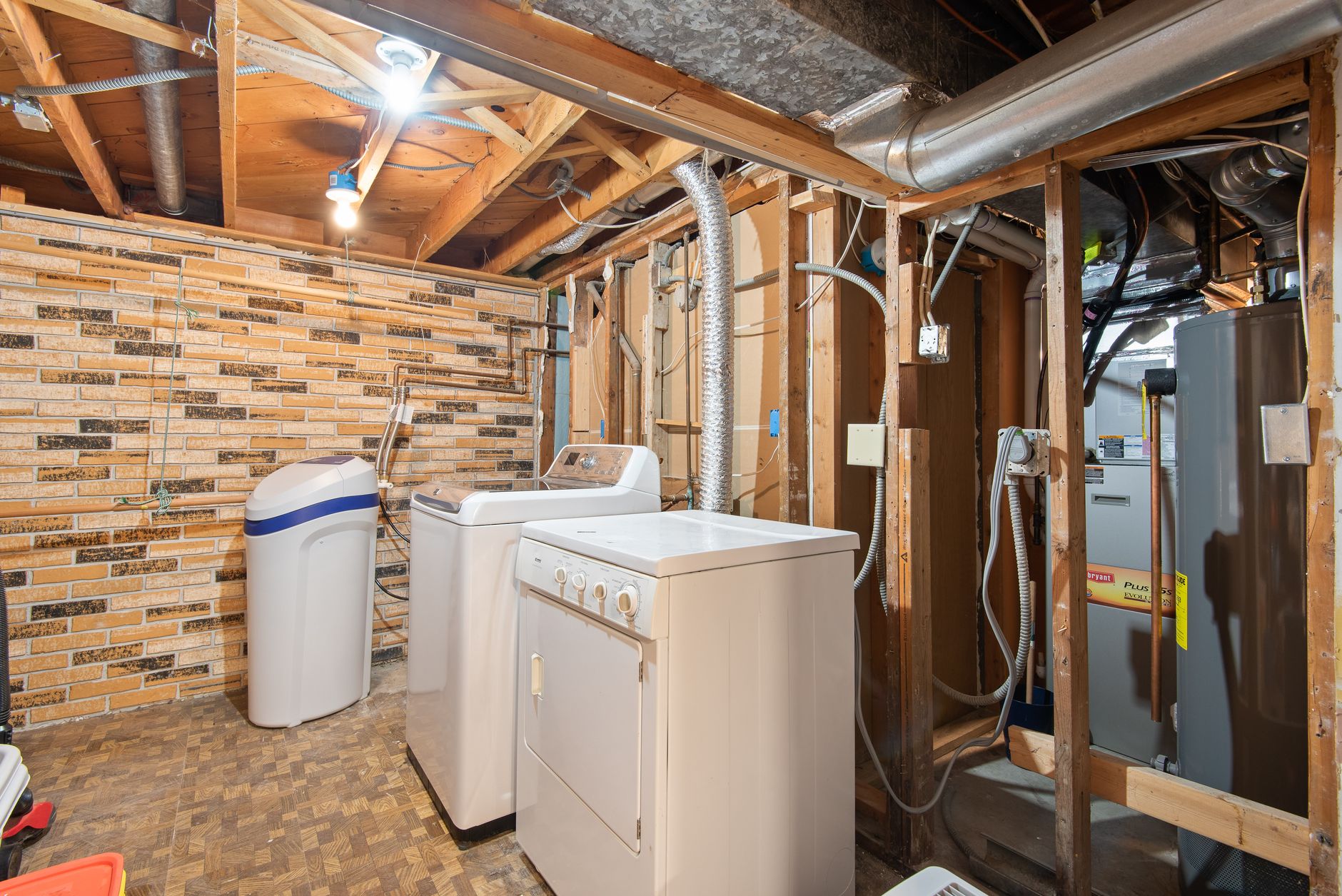
Dane County homes regularly change hands with mystery systems: unlabeled pipe, no paperwork, a manometer no one ever explained. Ten minutes of inspection separates working systems from decorative ones — and after any fan swap, foundation work, or basement finishing, the recheck is how you know the protection survived the change.
What affects the estimate
- fan status
- pipe labeling
- discharge height
- seal condition
- latest test
How the work usually goes
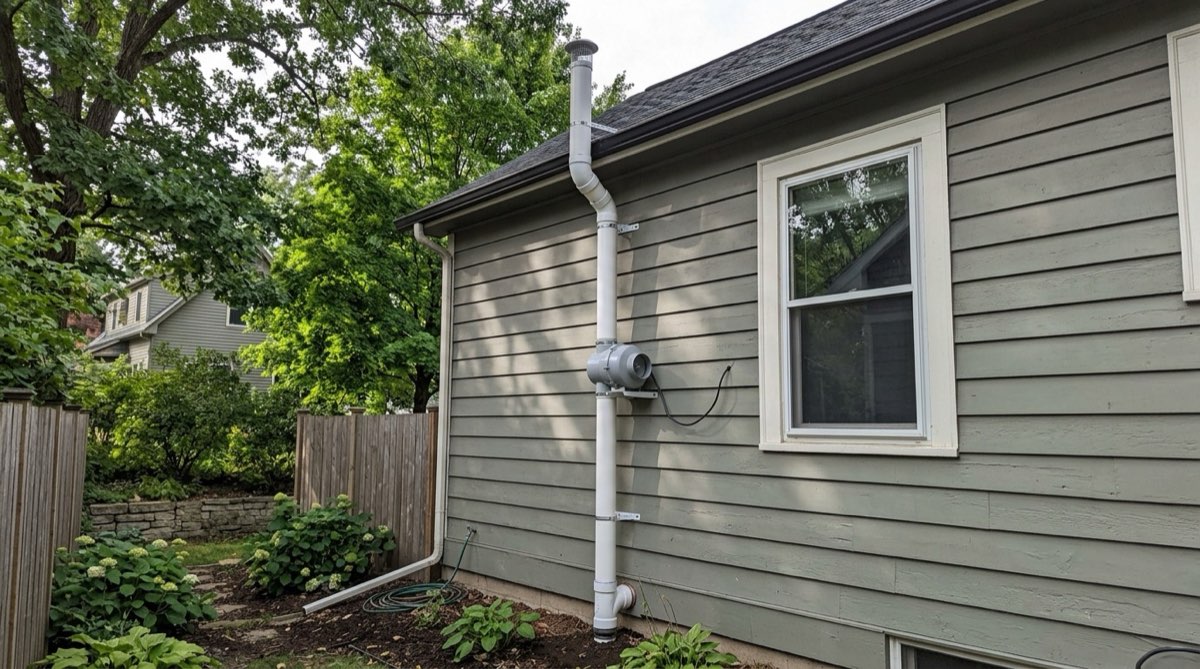
The inspection covers, in order:
- Test Result Review: Review the radon test result, test date, foundation layout, basement use, and any real-estate deadline.
- Foundation And Sump Check: Check slab areas, sump pits, drain tile, crawl spaces, pipe routes, fan locations, and discharge options.
- System Design Planning: Plan the mitigation system, sealing details, electrical needs, fan placement, and retest timing.
- Pipe Fan And Sealing Work: Install or repair the pipe, fan, suction point, sump cover, crawl-space barrier, or sealing work.
- Retest And Maintenance Guidance: Review manometer readings, labels, maintenance notes, and when the home should be tested again.